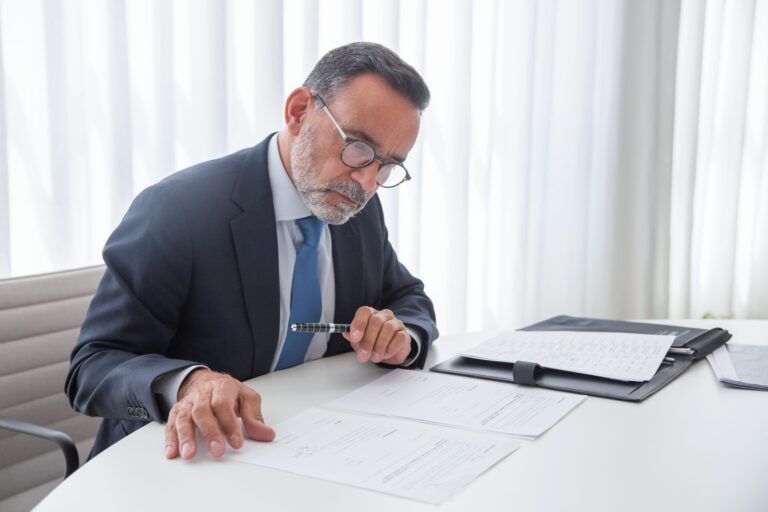

Ask almost any teacher, principal, or educational administrator about earning a doctorate, and you will typically get the same uncertain reaction: “I’d love to, but who has the time?”
It is a reasonable response. Between managing classrooms, overseeing district operations, leading staff meetings, grading, and balancing personal life, a working educator’s day is already packed. The traditional image of a doctorate candidate, spending endless hours in campus libraries or teaching undergraduate seminars for a stipend, feels totally disconnected from the reality of a working professional.
The secret lies in understanding how the modern Doctor of Education landscape has evolved. Thanks to flexible degree structures, applied research models, and the rise of a high-quality Ed.D. programme Online, earning a doctorate while maintaining a full-time career isn’t just possible, it is frequently the most practical route to institutional leadership.
Why Are More Educators Considering Doctorate Study?
UNESCO estimates that the world needs roughly 44 million additional primary and secondary teachers by 2030 to achieve universal education targets. The organisation also reports that teacher attrition has become a serious concern, with the global primary teacher attrition rate almost doubling between 2015 and 2022. These figures highlight the need for capable professionals who can strengthen teacher development, improve working conditions and guide sustainable educational reform.
The demand extends beyond classroom teaching. Education systems need leaders who can interpret research, design policies, introduce meaningful improvements and evaluate whether those changes are working.
The World Economic Forum identifies university, higher education and secondary education teaching roles among the largest contributors to global job creation in absolute terms through 2030. Its earlier projections also indicated that employment within the education industry could grow by around 10%, creating approximately three million additional roles for vocational and higher education teachers.
Educators pursuing a Doctor of Education aren’t just chasing credentials (though that’s part of it). They’re doing it because they’ve hit a ceiling. They’ve figured out what works in their classroom, but they want to scale it. They’ve identified problems in how schools operate, and they want the expertise to fix them. They’ve realised that teaching well and leading well require different skill sets and they’re ready to develop that new skill set.
Why an Online Format Actually Works (Better Than You’d Think)?
Historically, pursuing a terminal degree meant commuting to evening classes three nights a week or giving up a full-time salary to attend on-campus seminars. Digital higher education has changed that dynamic. Today, a Doctor of Education Online fundamentally changes that equation. But let’s be clear about what online actually means in this context. It’s not watching pre-recorded lectures and taking multiple-choice quizzes.
What changes is logistics, not rigor.
You attend seminars throughout evening hours that work for working professionals. You conduct research during the times you can carve out. You collaborate with cohort members across time zones, which often means richer perspectives than a single geographic location would provide. You balance coursework, research, and comprehensive exams without having to commute to campus three nights a week.
For educators in particular, online doctorate formats offer something unexpected: flexibility to remain in your classroom. Numerous educators find that studying educational leadership while actually practising as an educator deepens both simultaneously.
Doctorate study may also help you develop:
- Advanced research and analytical skills
- Evidence-informed decision-making
- Academic and professional writing
- Programme evaluation
- Strategic planning
- Ethical leadership
- Policy analysis
- Organisational change management
- Clear communication of complex ideas
These capabilities can support roles in schools, universities, training organisations, government bodies, non-profit organisations and educational consulting. Career outcomes will still depend on your experience, location, professional network and the recognition of the qualification in the country where you intend to use it.
How Can You Balance Work, Study and Personal Commitments?
There is no perfect timetable that suits every educator. A classroom teacher’s schedule will differ from that of a university lecturer, principal or independent consultant. The goal is to build a routine around your actual responsibilities.
Start with Your Non-Negotiable Commitments
Start by marking your working hours, family responsibilities, travel time and essential rest. Then identify smaller periods that can be reserved for study.
This gives you a truthful view of your capacity. A plan based on an ideal week may collapse as soon as school responsibilities increase.
Use Small, Consistent Study Blocks
Waiting for a completely free day may lead to repeated delays. Short, focused sessions can help you maintain momentum.
One evening may be used for reading. Another could be reserved for note-taking. A weekend session may be dedicated to writing or data analysis. Dividing larger tasks into smaller actions makes doctoral work feel less overwhelming.
Connect Research to Your Professional Context
Your current role can give you access to meaningful educational questions. It may also help you understand the practical importance of your chosen topic.
However, workplace-based research must be approached carefully. Permission, informed consent, confidentiality and data protection must be considered before involving colleagues, institutions or learners.
Communicate with the People Around You
Doctorate study affects more than the learner. Family members may need to understand why certain hours are protected. Colleagues may need advance notice if your research involves the workplace. Supervisors may need to know when professional deadlines overlap with academic milestones. Clear communication can prevent avoidable pressure and misunderstandings.
Protect Rest as Seriously as Study Time
Working every available hour may appear productive at first, but it is rarely sustainable. Exhaustion can affect concentration, judgement and writing quality. A realistic schedule must include sleep, movement, relationships and time away from screens. Completing a doctorate is a long-term goal, so the routine supporting it must also be maintainable.
Signs That You May Be Ready
You do not need to have a finished research proposal before beginning. You should, however, have a clear reason for pursuing the degree.
You may be ready if:
- You regularly notice educational problems that deserve deeper investigation.
- You want to influence practice beyond your current classroom or role.
- You are comfortable learning independently.
- You can accept feedback and revise your thinking.
- You are willing to protect regular study time.
- Your motivation extends beyond earning the title of “Dr”.
Earning a doctorate while working full-time will require effort, patience and adjustment. There may be periods when professional deadlines take priority and others when your research needs greater attention. An online format works best when you understand the commitment, choose a research area that matters to you and have access to appropriate academic guidance.
It allows professional experience and doctorate learning to develop together, with each informing the other. A Doctor of Education may be demanding, but it does not automatically require you to step away from the profession you have worked hard to build. With realistic expectations, careful programme selection and consistent planning, doctoral study can become part of your working life.
Ready to Take the Next Step?
Earning a Doctor of Education while working full-time is a significant commitment, but you do not need to pause your life or give up your income to achieve it. By choosing a structured, practitioner-oriented Ed.D. Program Online, you can gain the high-level strategic, research, and policy skills needed to transform learning systems, all while continuing to make an impact in your current role every single day. The real question isn’t whether you have the time; it’s whether you’re ready to step into the next chapter of educational leadership.
About the Author